

All Water articles – Page 2
-
Engagement guide
Recommendations for future engagement on water risks
PRI research has shown that companies are improving their disclosure of managing water risks in agricultural supply chains, but there is still room for improvement, as summarised by the following recommendations.
-
 Case study
Investor collaboration to engage on water risks in agricultural supply chains
Case study by Kristel Verhoef, ACTIAM; Nadira Narine, Interfaith Center on Corporate Responsibility; Peter van der Werf, Robeco; and Mary Beth Gallagher, Tri-State Coalition for Responsible Investment
-
 Case study
Long-term engagement on water risk management in the supply chain
Case study by Constantina Bichta, Boston Common Asset Management
-

-
 Case study
Reducing portfolio water risk by assessing issue management
Case study by Emma Lupton, BMO Global Asset Management
-
 Case study
Integrating water stewardship – General Mills
Case study by Louise Dudley, Hermes Investment Management
-
 Engagement guide
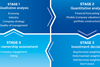
How do investors use water risk data?
The complex and localised nature of water and the mix of qualitative and quantitative information available makes it difficult for investors to integrate water risk data into their company analyses.
-
Engagement guide
Challenges for engaging on water risks in agricultural supply chains
Investors face numerous challenges when engaging with companies on this topic to understand the extent of their water dependency, security and management response.
-
Engagement guide
Influence governance of water in the supply chain
Influencing the governance of water (i.e. the rules and institutions, both formal and informal, which determine how water is managed) is essential in addressing water risks.
-
Engagement guide
Encourage collective action to engage on supply chain water risks
To a large degree, water risk derives from the collective use of water by all stakeholders that share a common source.
-
Engagement guide
Promoting internal and supply chain action to mitigate water risks
Once a company’s water impacts and risks are understood, a response and risk mitigation strategy should be developed and implemented.
-
Engagement guide
Foster water awareness - developing knowledge of impacts and water risks
As with each element in the framework, developing an awareness of water issues and, over time, an in-depth understanding of the complex and unique nature of water issues facing the company is an ongoing and iterative process.
-
 Engagement guide
An engagement framework for water risks in agricultural supply chains
In partnership with WWF, the PRI developed an engagement framework to facilitate investor dialogue with companies on managing their agricultural supply chain water risk.
-
 Engagement guide
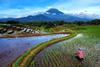
What is agricultural supply chain water risk?
While it is widely recognised that agriculture is the largest global user of water, supply of and demand for water by basin and crop vary considerably.
-
 Engagement guide
Growing water risk resilience: an investor guide on agricultural supply chains
Companies with direct operations and supply chains that are dependent on agriculture, the world’s largest user of water, are exposed to water risks. Those companies that appropriately mitigate these risks and demonstrate good water stewardship characteristics will create value for their shareholders.
-
 Engagement guide
Introduction: Investor guide on water risks in agricultural supply chains
The World Economic Forum highlights water as a top global risk with associated climate, weather, economic, social, competition and infrastructure impacts.
-

-
 Engagement guide
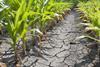
Water consumption in water scarce regions
PwC estimated water consumption in water stressed regions around the world for 78 companies on an initial research focus list.
-
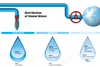 Engagement guide
Why care about supply chain water risks?
Water is one of the few resources that is needed for almost all transformation processes that foster production activities.
-
Engagement guide
A water risks stewardship framework
The water stewardship framework developed by WWF effectively highlights various examples of best practice water risk management by companies.
- Previous Page
- Page1
- Page2
- Page3
- Next Page