
All Climate change articles – Page 25
-
 Technical guide
How to invest in the low-carbon economy
Institutional investors’ responsibility to manage and protect their beneficiaries’ assets must include considering the impacts of climate change.
-
 Case study
Case study: Rio Tinto shareholder resolution 2018 - LGIM's perspective
Case study by Legal & General Investment Management
-

-

-
 Case study
Case study: understanding lobbying practices as part of carbon risk management
Case study by GES International
-

-
 Case study
Case study: Are the world's largest banks stepping up to the risks and opportunities of climate change?
Case study by Boston Common Asset Management
-
 Case study
Climate lobbying case study: ExxonMobil - perspective from Walden Asset Management
Case study by Walden Asset Management
-
 Engagement guide
The PRI-coordinated collaborative engagement on climate lobbying
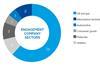
Launched in 2015, 35 investors with AUM of US$2 trillion joined the PRI’s collaborative engagement on corporate climate lobbying practices, targeting 21 companies across the following sectors.
-
 Engagement guide
Recommendations for future climate lobbying engagement
The following recommendations highlight key areas for driving climate lobbying practice performance further.
-
Engagement guide
Examples of policy engagement governance and climate lobbying
A range of good and poor practice identified by InfluenceMap across sectors for policy engagement governance and climate lobbying positions are provided below.
-
Engagement guide
How to engage with companies on climate lobbying
Stage 1: Identifying potential red flags Before engaging with a company on its climate lobbying practices, several signs will help indicate the likelihood of direct or indirect obstructive climate lobbying practices: no transparency or a negative public stance on climate science; no reporting on money spent on national or ...
-
Engagement guide
Corporate policy engagement on climate issues
Public policy plays a critical role in regulating and framing the relationship between companies and their investors and, in turn, the relationship between companies, investors and wider society.
-
 Engagement guide
Converging on climate lobbying: aligning corporate practice with investor expectations
Investors are increasingly scrutinising corporate engagement on climate policy as it plays a critical role in helping governments create practical climate policy solutions. However, corporate engagement on climate policy is a double-edged sword.
-
 Technical guide
An asset owner’s guide to the TCFD recommendations
Asset owners will need high-quality and timely data on climate-related risks to help guide them through the energy transition.
-
 Engagement guide
Growing water risk resilience: an investor guide on agricultural supply chains
Companies with direct operations and supply chains that are dependent on agriculture, the world’s largest user of water, are exposed to water risks. Those companies that appropriately mitigate these risks and demonstrate good water stewardship characteristics will create value for their shareholders.
-
 PRI Web Page
Investor action on climate change: A PRI-Novethic assessment of global investor practices
For long-term investors, safeguarding investments requires mitigation of climate change.
-
 Engagement guide
2 degrees of separation: Transition risk for oil and gas in a low carbon world
Are the oil majors aligned with a 2°C target? This new analysis provides a way of understanding whether the supply options of the largest publicly traded oil and gas producers are aligned with demand levels consistent with the agreed target for maximum global warming.
-
 Engagement guide
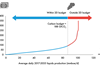
Calculating carbon supply cost curves in a 2°C scenario
In order to try and allocate the carbon budget at a company level, Carbon Tracker developed the carbon supply cost curve approach.