


All Fixed income articles – Page 10
-
 Thought leadership
How investors are approaching ESG factors and credit risk
A majority of PRI signatories say they use some form of ESG approach when investing in FI instruments, but ESG consideration is still far from being an integral element of the credit assessment process.
-
Thought leadership
Materiality and visibility of ESG factors in credit risk analysis
Many investors believe that CRAs should take a more proactive approach to highlighting ESG considerations in their analysis.
-
Thought leadership
Environmental issues gaining traction
The COP21 Paris Agreement has contributed to renewed focus on environmental factors. Climate-related risks could diminish or increase, depending on how countries implement legislation and policies to fulfil their nationally determined contributions to reduce greenhouse gas emissions.
-
Thought leadership
Communication and transparency
Many of the hurdles in the way of systematic and transparent incorporation of ESG factors in credit ratings and analysis can be ascribed to how credit risk-related information is conveyed.
-
 PRI Web Page
Statement on ESG in credit risk and ratings (available in different languages)
By signing the ESG in credit risk and ratings statement, credit rating agencies and fixed income investors commit to incorporating ESG into credit ratings and analysis in a systematic and transparent way. To date, the statement is supported by around than 180 investors (with over US$40trn in collective AUM) and ...
-
PRI Web Page
负责任投资原则”(PRI)关于信用评级中的 ESG声明
我们签署,并认识到环境、社会和企业治理(ESG)因素会影响借款人的现金流量以及拖欠债务的可能性。因此ESG因素是评估借款人信用的重要因素。
-
 Technical guide
Fixed income investor guide
The Fixed income investor guide summarises the unique characteristics of fixed income with its various subcategories of issuers and instruments. It helps to explain why fixed income investors should take a bottom-up approach to RI while borrowing from the experiences of other asset classes, such as listed equities.
-
Technical guide
Integrating ESG factors into issuer analysis
In fixed income, a key application for ESG information is to inform analysis of issuer creditworthiness. ESG issues, such as corruption or climate change, are potential risks to macro factors that may affect an issuer’s ability to repay its debt.
-
 Technical guide
Integrating ESG factors into sovereign issuer analysis
Based on discussions and presentations with the PRI fixed income sovereign working group, this report is a primer that provides an initial conceptual framework exploring ESG issues that might be material to sovereign bond risk assessments and pricing (2014).
-
 Technical guide
Integrating ESG factors into corporate issuer analysis
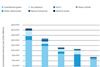
Analyses of governance factors such as remuneration and financial auditing are common among bond investors, but few systematically integrate a wide range of ESG factors into credit analysis.
-
Technical guide
ESG screening in fixed income investing
Fixed income investors apply ESG filters or screens to their investment universe to control which issuers or securities are considered for investment. This is an effective way of ensuring their investments are aligned with their (client’s) ethical motivations and reduces reputational risks.
-
 Technical guide
Engaging issuers on ESG issues
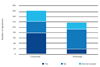
Debt and equity holders both stand to benefit financially from successful engagements, as ESG-related risks are mitigated and opportunities maximised.
-
 Technical guide
Themed fixed income investing
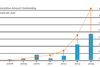
Investment products such as green bonds are seen by many as a way of addressing ESG risks such as climate change and water scarcity.
-
Technical guide
Embedding responsible investment into the fixed income investment process
There are a number of fundamental building blocks, regardless of asset class, that all investors should consider when setting their organisation up to implement responsible investment.
-
 Technical guide
Corporate bonds: spotlight on ESG risks
In light of the 2008 financial crisis, which led to a loss of confidence in the underlying structure and operation of international financial markets, this publication is intended for corporate bondholders to explore ESG issues and determine whether they are material to creditworthiness and investment performance.
-
 Technical guide
Sovereign bonds: spotlight on ESG risks
Drawing on information disclosed through the PRI’s reporting data and interviews to its signatories this document represents one of the first attempts to show how ESG factors can be material to the creditworthiness and investment performance of sovereign bonds (2013).